Introduction
When I first bought Bitcoin back in 2017, I had no idea what I was doing. I kept my crypto on the exchange where I bought it and used the same password I used for everything else. Looking back, I was practically begging to be hacked.
Fast forward to today, and the crypto landscape has grown more complex – but so have the threats. For retail investors like us, security isn’t just a nice-to-have; it’s essential. Unlike traditional banks, there’s no FDIC insurance or customer service hotline to call when things go wrong with crypto.
This guide will walk you through practical, actionable steps to secure your digital assets without requiring a computer science degree. Whether you’re holding a few hundred dollars or planning to build a substantial portfolio, these measures will help you sleep better at night.
Understanding the Threats to Your Crypto
Before diving into solutions, let’s understand what we’re up against. The crypto world faces several unique security challenges:
Phishing Attacks
The most common threat doesn’t involve sophisticated hacking – it’s simply tricking you into giving away your information. Phishing attacks in crypto often come as:
- Fake emails claiming to be from exchanges you use
- Copycat websites that look identical to legitimate platforms
- Direct messages on social media offering “exclusive” opportunities
- Fake support agents contacting you about “account issues”
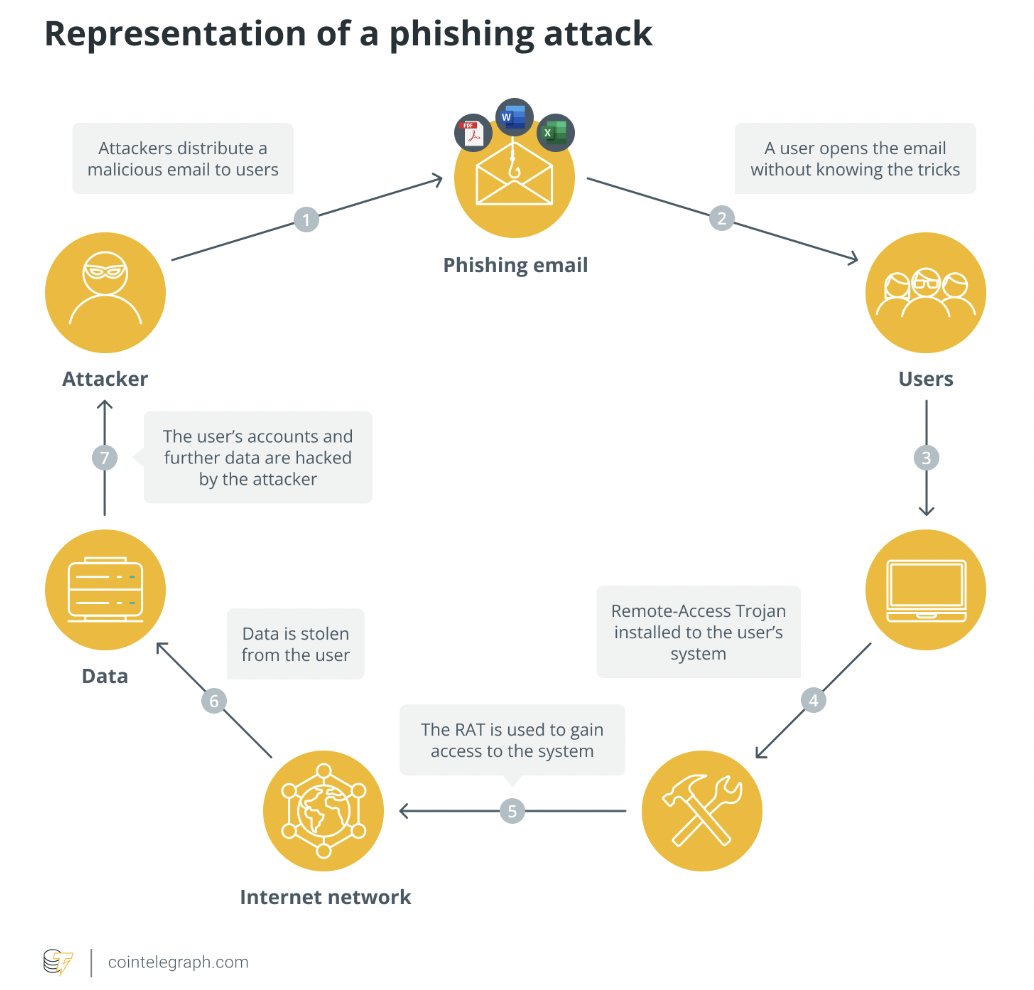
Phishing attempts have become increasingly sophisticated, often mimicking legitimate crypto platforms perfectly.
Exchange Vulnerabilities
Not all exchanges are created equal. While keeping some funds on reputable exchanges can be convenient, remember:
- Exchanges can be hacked (Mt. Gox, BitMart, and many others)
- Terms of service often limit their liability for losses
- Some smaller exchanges may lack proper security protocols
- Your account could be compromised through no fault of the exchange
Malware and Device Security
Your computer or phone can be the weakest link in your security setup:
- Keyloggers can record your passwords as you type
- Clipboard hijackers can swap crypto addresses when you copy/paste
- Remote access trojans give attackers control of your device
- Compromised apps can steal your credentials
Essential Security Measures Every Retail Investor Should Take
Now let’s get practical. Here are the steps you should take to protect your crypto investments:
1. Use Hardware Wallets for Long-Term Holdings
If you’re serious about crypto, a hardware wallet is non-negotiable. These physical devices store your private keys offline, making them virtually immune to online attacks.
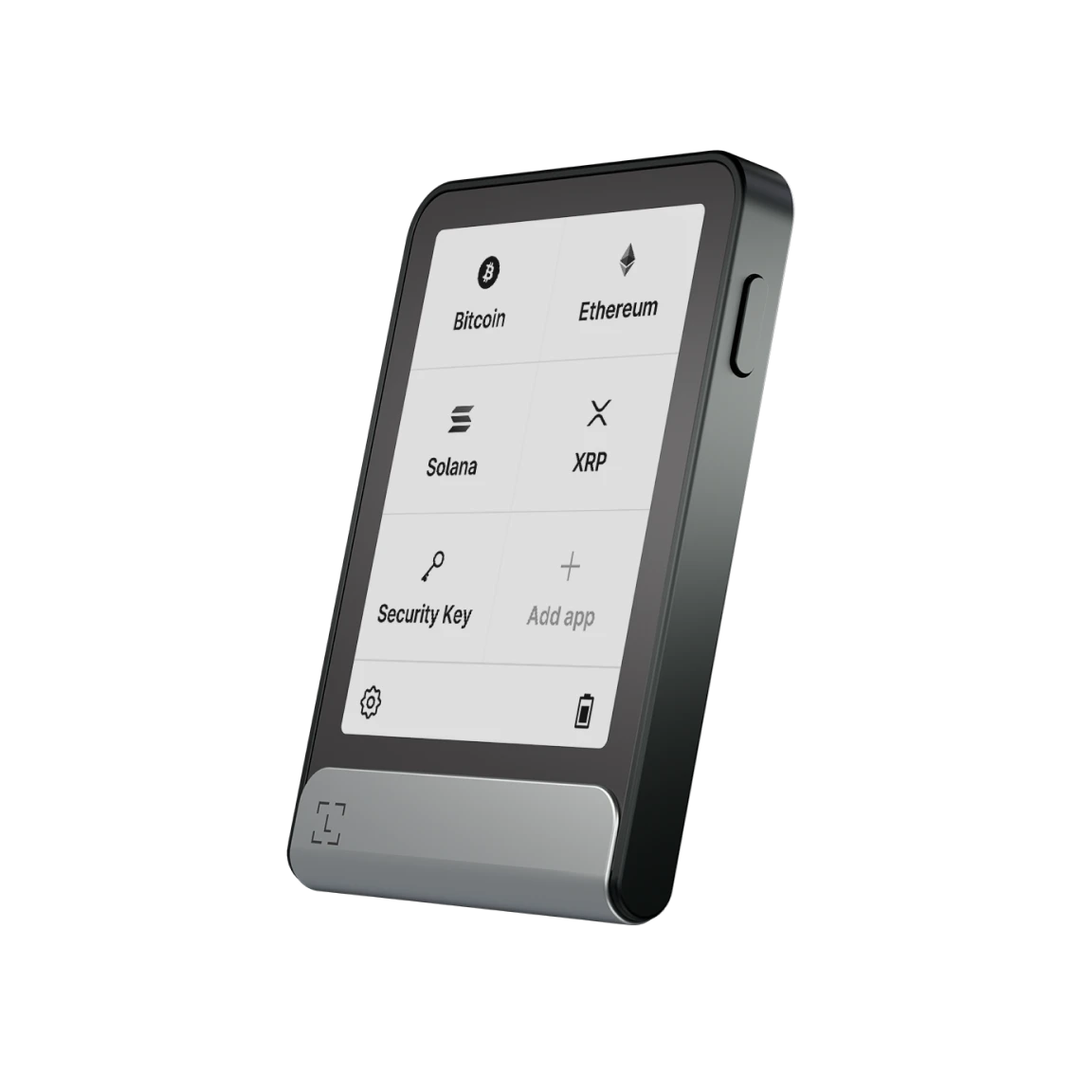
Hardware wallets like the Ledger Flex provide the highest level of security for your crypto assets.
Why hardware wallets work:
- Your private keys never leave the device
- Each transaction must be physically confirmed
- Even if your computer is compromised, your funds remain safe
- Recovery seeds allow you to restore access if the device is lost
Popular options include Ledger, Trezor, and Cypherock devices. While they cost $50-200, this is a small price compared to potentially losing your entire portfolio.
2. Implement Strong Authentication Everywhere
Two-factor authentication (2FA) is your first line of defense for exchange accounts and online wallets:
2FA adds an essential second layer of protection to your accounts, preventing access even if your password is compromised.
Best practices for 2FA:
- Use authenticator apps (Google Authenticator, Authy) instead of SMS
- Back up your 2FA recovery codes in a secure location
- Enable 2FA on email accounts linked to your crypto platforms
- Consider a dedicated device for authentication if your holdings are substantial
3. Create a Secure Password Strategy
Yes, we all know we should use strong passwords, but few actually do. For crypto, this isn’t optional:
- Use a password manager (Bitwarden, 1Password, or LastPass)
- Generate unique, random passwords for each platform (16+ characters)
- Change passwords regularly, especially after security incidents
- Never reuse passwords across different crypto services
4. Master Safe Transaction Practices
Even with the best security tools, how you conduct transactions matters:
- Always verify addresses: Double-check the first and last few characters of any address before sending crypto
- Start with small test transactions: Send a minimal amount first to verify the address works correctly
- Use the whitelist feature: Many exchanges allow you to pre-approve addresses for withdrawals
- Be wary of public WiFi: Avoid making transactions on public networks unless using a VPN
5. Implement a Secure Recovery Strategy
What happens if you lose access to your wallets or accounts? This is where many investors fail:
- Store recovery phrases offline in a fireproof, waterproof container
- Consider split storage (storing different parts of the phrase in different locations)
- Tell a trusted person how to access your crypto in case of emergency
- Document your holdings and access methods for heirs (without revealing private keys)
Advanced Security Tactics for Growing Portfolios
As your crypto holdings grow, consider these additional measures:
Multi-Signature Wallets
Multi-signature (multisig) wallets require multiple approvals for transactions, similar to how a bank might require two signatures for large withdrawals. This means even if one key is compromised, your funds remain safe.
I personally began using multisig once my portfolio exceeded five figures. It provides peace of mind knowing a single point of failure can’t wipe out my holdings.
Air-Gapped Computing
For significant holdings, consider using an air-gapped computer—one that never connects to the internet—for generating keys and signing transactions. While extreme, this approach eliminates remote attack vectors entirely.
Diversify Storage Methods
Don’t keep all your crypto in one place:
- Store different assets on different hardware wallets
- Use a combination of hardware wallets, secure software wallets, and regulated exchanges
- Consider custody solutions for very large holdings
Common Mistakes to Avoid
In my years helping retail investors navigate the crypto landscape, I’ve seen the same mistakes repeatedly:
Oversharing on Social Media
Never disclose:
- How much crypto you own
- Where you store it
- What security measures you use
- When you make large transactions
Remember: the less people know about your holdings, the safer they are.
Falling for “Too Good to Be True” Offers
Be extremely skeptical of:
- Guaranteed returns
- Investment opportunities requiring immediate action
- Requests to share your private keys or seed phrases
- “Customer support” that contacts you first
No legitimate crypto project will ever ask for your private keys or recovery phrase. Ever.
Skipping Due Diligence
Before using any platform or service:
- Research its security history
- Check community feedback
- Start with small amounts
- Verify it’s the legitimate site (check URLs carefully)
Ignoring Regular Security Audits
Every few months, take time to:
- Update all software and firmware
- Review account access and permissions
- Check for unusual activities
- Test recovery procedures
Creating Your Personal Security Plan
Security isn’t one-size-fits-all. Your approach should match your investment size, technical comfort, and risk tolerance.
For beginners holding smaller amounts, focus on these essentials:
- Secure your exchange accounts with 2FA
- Use a reputable software wallet for amounts you’re not actively trading
- Maintain good device security (updates, antivirus)
- Begin learning about hardware wallets
For more experienced investors with larger portfolios, implement everything we’ve discussed, with emphasis on hardware wallets and diversified storage.
Responding to Security Incidents
Even with the best precautions, incidents can happen. If you suspect your crypto has been compromised:
- Act quickly: Transfer any remaining funds to a secure wallet
- Change passwords: Update all related accounts with new, secure passwords
- Contact the platform: Report the incident to any exchange or service involved
- Document everything: Keep records of all transactions and communications
- Consider legal options: For significant losses, consult with crypto-specialized legal services
Conclusion
Securing your crypto doesn’t have to be overwhelming. Start with the basics, then gradually implement more advanced measures as your comfort and portfolio grow. The crypto space rewards the prepared and punishes the careless.
Remember: no investment return is worth risking your entire portfolio. The time you spend on security now pays dividends in peace of mind and protected assets later.
Have questions about specific security tools or techniques? Drop them in the comments below, or check out our comprehensive guide to passive income in crypto for ways to grow your secured assets.